

Urban Hunting and Gathering
As everyone is tuning into The Gilded Age — that American mirror of Bridgerton, laced with a strong whiff of a Sex and the City prequel — a peculiar thought strikes me: Where did the hunter-gatherers go? The primal instinct to hunt, to forage, to build — is it still within us, or have we traded it all in for grocery apps and digital paychecks? How do we deal with urban hunting and gathering?
In today’s urban jungle, there’s no more chasing prey through the wild. Instead, we’re gathering — subscriptions, passwords, groceries, approval, performance reviews, followers. The modern city-dweller is less a predator and more a sophisticated scavenger, working a different kind of terrain.
Let me unpack this: once upon a time, societies were ordered under the weight of noble blood. The few who held land and titles dictated the rhythms of life for the many. The hunter archetype was a figure of strength and independence — the one who sought, tracked, and brought resources home. But with the rise of revolution and democratic ideals, equality diluted the sharp edges of this role.
The prey — be it land, power, or prestige — became increasingly rare. So the hunter settled. He turned to domesticating animals, and in doing so, slowly domesticated himself. The rugged predator became the predictable provider.
The Disappearance of the Hunter
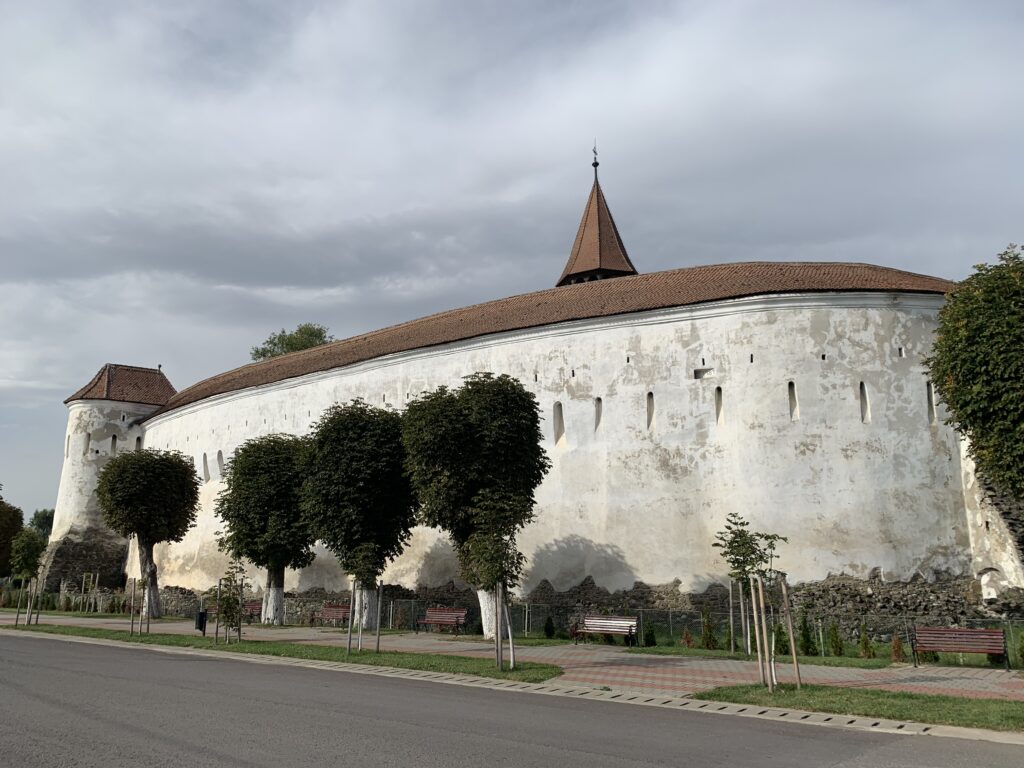
Look back to feudal times. A single knight on horseback could change the fate of a region. By claiming land, he inadvertently began the cycle of economy, defense, and education. Villagers worked the land not for wages, but for survival and loyalty. In return, they were granted protection and purpose. Apprenticeships weren’t courses — they were lifelines. Smithing, weaving, carpentry, farming, midwifery — all were passed down through generations. Skills were knowledge, and knowledge was power.
Compare that to today. How many urban dwellers can start a fire without a lighter? How many can stitch a wound, repair a wall, or even cook a meal from scratch? We’ve become highly literate in systems — how to pay bills, fill forms, follow protocols — but we’re illiterate in basic survival.
The Shift in Education
Post-revolution, education was meant to replace what noble patronage once provided. Schools became the new castles, teachers the new lords of learning. But as this system scaled, something got lost. Survival was no longer part of the curriculum. Emotional regulation, physical resilience, situational problem-solving — all replaced by abstract thinking and standardized tests.
The problem isn’t education itself, but the assumption that our environment no longer requires basic survival skills. That assumption is proving to be dangerously false.
Look around: mental health crises, burnout, economic volatility, climate-induced emergencies. We are animals in suits, still wired for fight or flight, yet taught only to sit still, comply, and produce. There’s dissonance in our DNA.
Reawakening the Modern Hunter
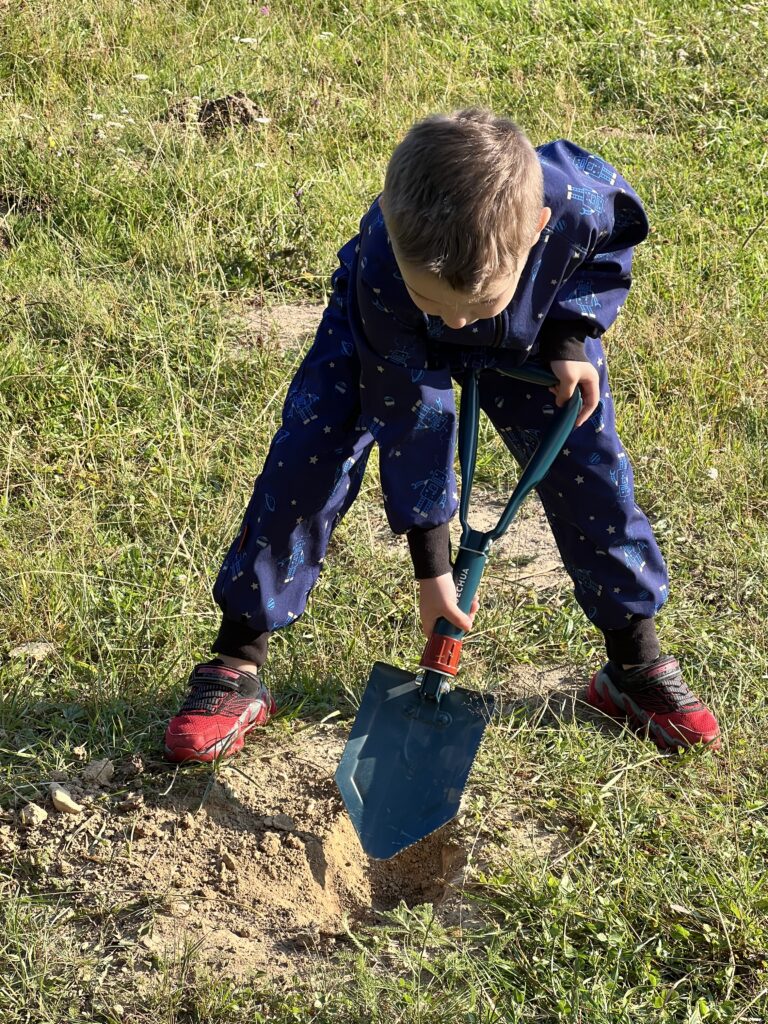
We need to shift again. Not by abandoning modernity, but by integrating it with the primal knowledge we’ve shelved away. The urban hunter-gatherer must resurface, not to dominate, but to balance.
Let’s teach our children to:
-
Grow their own food, even if it’s a windowsill herb garden.
-
Cook with real ingredients, not just microwave instructions.
-
Use their hands to build, repair, and create — carpentry, sewing, plumbing, mending.
-
Navigate — not just via GPS, but by reading maps, stars, and their own instincts.
-
Handle conflict without resorting to cruelty or compliance.
-
Drive, row, bike, walk — whatever keeps us physically grounded and aware.
Even the act of preparing a meal, fixing a broken door, or managing a small budget without going into debt is a kind of modern-day foraging. These are the new survival skills — the kind that root us in independence, resilience, and awareness.

The Real Revolution: Rewilding the Mind
Let’s be clear: this isn’t about romanticizing the past or rejecting technology. It’s about balance. It’s about remembering that humans, even the most cultured and educated, are still mammals. And we still need a visceral, tactile relationship with the world to feel fully alive. How do we deal with urban hunting and gathering?
Maybe it’s time to rewild ourselves just a bit. To return to a place where dignity isn’t found in titles, brands, or diplomas — but in competence, cooperation, and courage. Because the truth is, there is still prey. It just looks different now — attention, autonomy, time, truth. And the urban hunter must rise again, not with weapons, but with skills, instincts, and heart.
So, let’s teach ourselves and the next generation to be drivers and skippers, yes — but also builders, fixers, growers, and gatherers. Let’s stop hunting each other and start preparing together.
There’s still a wild in us worth honoring.


